US Homelessness Declines Sharply After Record Highs, Affecting Nearly 700,000
Homelessness in the United States saw its largest drop in over a decade, declining from record-high levels, though it still impacts nearly 700,000 individuals.

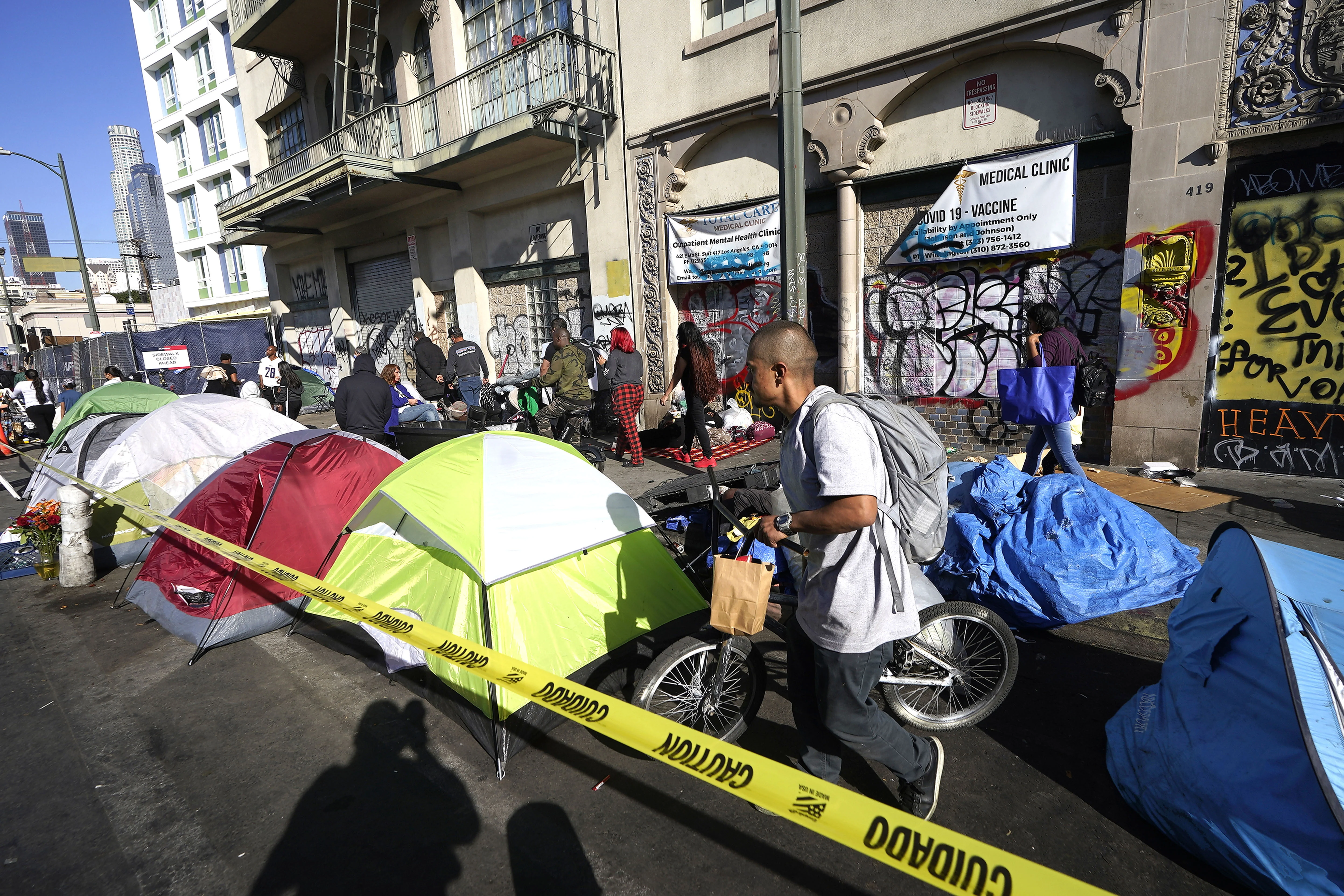
 Sioux Falls, SD, November 7, 2026 — The United States has experienced a significant decrease in homelessness, marking the largest decline recorded in more than a decade. This recent trend shows a reduction from previous record-high numbers.
Despite this positive development, the issue of homelessness continues to affect a substantial portion of the population. The most recent figures indicate that nearly 700,000 individuals are experiencing homelessness across the nation. This number, while lower than previous peaks, still represents a considerable challenge.
The summary indicates a downward trend but does not provide specific details regarding the contributing factors, the exact timeline of the decline, or the geographical distribution of the individuals affected. The precise methodologies or data sources used to arrive at these figures were not specified in the provided summary.
Furthermore, information regarding the scale of the decline, such as the percentage drop or the specific number of individuals no longer experiencing homelessness, was not included. The summary also omits details about the characteristics of the population experiencing homelessness, such as age, family status, or duration of homelessness.
The record-high levels that preceded this decline were a subject of significant concern for policymakers and social service organizations. The current numbers, though reduced, underscore the ongoing need for resources and strategies to address homelessness.
Details about any specific initiatives, government programs, or community efforts that may have contributed to this decrease were not elaborated upon in the provided trend summary. The specific period over which this decline occurred is also not detailed.
The impact of homelessness extends beyond the individuals directly affected, influencing public health, local economies, and social services. The reduction is a notable shift from recent years where homelessness had been on a continuous upward trajectory, reaching unprecedented levels.
The source of the data and the entity responsible for compiling these homelessness statistics were not identified in the summary. Therefore, further investigation would be required to understand the nuances and full scope of this reported decline and its implications.
Story summarized from the original created by Jennifer Ludden on www.npr.org, see more information here.
Media gallery