Craig Plescia Highlights an Overlooked Problem in Commercial Construction
Morristown, New Jersey Nov 26, 2026 (Issuewire.com) Commercial construction projects are often judged by whether they
Press Release Disclaimer: This is a press release distributed through the XPR Media network. It has not been independently verified by our newsroom.
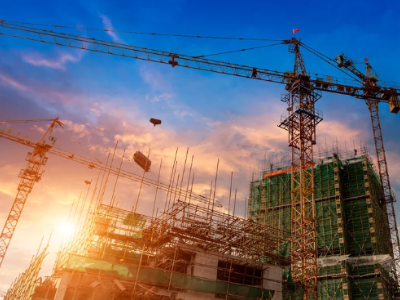

Morristown, New Jersey Nov 26, 2026 (Issuewire.com) Commercial construction projects are often judged by whether they finish on time, stay within budget, and meet the owner’s expectations. But according to Craig Plescia, founder and CEO of Plescia Construction & Development, another important part of the process deserves more attention: what happens when construction ends, and the people responsible for operating the building take over.
With more than 20 years of experience in commercial construction and development, Plescia is drawing attention to the practical challenges that can emerge during the transition from an active job site to a functioning commercial property.
A newly completed office, retail space, or commercial facility may be ready for occupancy, but the people moving in still need to understand how the building operates. Equipment warranties, maintenance schedules, system instructions, and service contacts can all become sources of confusion when information isn’t organized and accessible.
“There’s a lot of attention on getting a building finished, but the experience of actually taking over that building matters too,” said Plescia. “A project can look complete while the people responsible for operating it are still trying to figure out where important information is located.”
Why Commercial Building Handover Deserves More Attention
Commercial construction projects involve multiple contractors, suppliers, designers, and specialists. Each may provide documents and instructions related to their portion of the work.
By the time a project is complete, a building owner or property manager may receive a large collection of warranties, equipment manuals, inspection records, and other materials. Although this documentation is important, finding the right information later can become difficult when records are spread across different folders, emails, and systems.
Plescia believes the industry has an opportunity to make this process more practical for building owners and tenants.
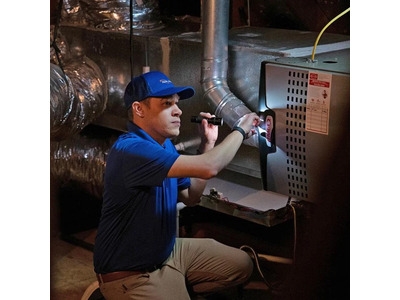
For example, a property manager dealing with a heating or ventilation issue months after moving in should be able to identify the equipment, locate warranty information, and find the appropriate service contact without searching through extensive project records.
“Think about how much information gets created during construction,” Plescia said. “The challenge isn’t necessarily collecting more of it. It’s making sure the right person can find what they need when something comes up.”
Could Digital Handover Tools Improve the Process?
One area Plescia believes is worth exploring is the use of simpler digital handover systems that organize essential building information in a single location.
Rather than treating documentation as the final administrative requirement of a project, contractors and owners could consider how that information will actually be used over the following years.
A digital resource containing equipment details, maintenance contacts, operating instructions, and warranty information could provide a more convenient reference for property management teams.
Such an approach may be especially useful for commercial properties that change tenants, undergo renovations, or rely on outside maintenance providers.
However, Plescia notes that technology alone isn’t the answer. The information must also be accurate, well organized, and understandable to the people using it.
“The best solution isn’t always the most complicated one,” he said. “If someone needs three different passwords and a training session just to find a warranty, you’ve probably made the process harder than it needs to be.”
Looking Beyond the Construction Deadline
As commercial buildings become more technically complex, the relationship between construction teams and building operators remains an important consideration.
Plescia encourages property owners, developers, and construction professionals to discuss handover expectations earlier in the project rather than leaving them until the final stages.
Questions about who will maintain equipment, how documentation will be delivered, and who needs access to building information can help shape a smoother transition.
For Plescia, the broader issue is about considering how a commercial property will function after the construction team has completed its work.
“Construction is temporary, but the building has to work for years afterward,” he said. “It’s worth thinking about the person who’s going to be responsible for that space long after everyone involved in building it has moved on.”
About Craig Plescia
Craig Plescia is a construction executive based in Morristown, New Jersey, and the founder and CEO of Plescia Construction & Development. He has more than 20 years of experience in commercial general contracting, construction management, and development. A graduate of the University of Rhode Island, Plescia has also pursued ongoing business education through Harvard Business School. Outside his professional work, he enjoys mountaineering, aviation, rock climbing, and coaching youth rugby.
Source :Craig Plescia
This article was originally published by IssueWire. Read the original article here.